
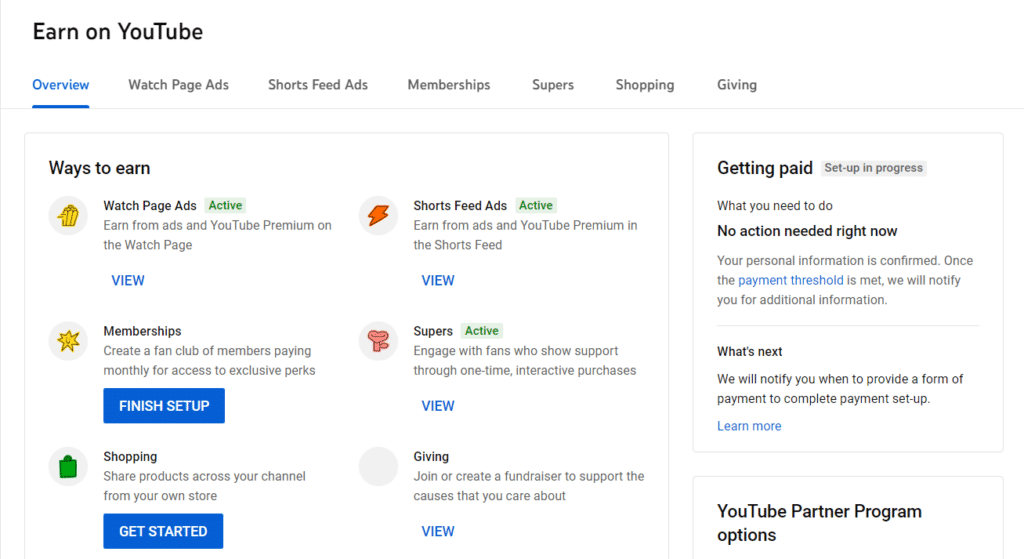
YouTube Monetisation Checker tools have become increasingly popular among content creators and marketers who want to estimate the potential earnings of a YouTube channel or video. These tools provide an easy way to gauge how much revenue a particular channel might generate through ads, sponsorships, and other monetization methods. However, the reliability of these checkers is often questioned due to various factors that influence their accuracy.
Firstly, it is important to understand that YouTube monetization depends on multiple variables such as viewer demographics, watch time, engagement rate, type of content, ad formats used, and advertiser demand at any given time. Most YouTube monetisation checker Checkers rely on publicly available data like subscriber count, total views, and estimated CPM (cost per thousand impressions) rates to calculate potential earnings. Since many crucial metrics remain private or fluctuate frequently-such as actual ad impressions served or exact CPM values-the figures provided by these tools are merely estimates rather than precise numbers.
Moreover, different regions have vastly different advertising rates due to local market conditions. For example, channels with audiences in countries like the United States or Canada tend to earn more per thousand views compared to those targeting viewers in lower-income regions. Many monetization checkers use average CPM rates globally or regionally but cannot perfectly tailor calculations for every niche audience segment. This limitation means that users should treat the results as rough guides rather than definitive income statements.
Another factor affecting reliability is the dynamic nature of YouTube’s algorithm and policies. Changes in community guidelines enforcement or advertiser preferences can cause sudden shifts in a channel’s ability to monetize content effectively. Some videos may be demonetized entirely if they violate rules or fail advertiser-friendly criteria despite having high view counts; this nuance is difficult for automated checker tools to capture accurately.
Additionally, some websites offering YouTube Monetisation Checking services might not update their databases regularly or could use outdated algorithms leading to discrepancies between predicted earnings and actual revenue reported by creators themselves through YouTube Analytics.
Despite these limitations, such checkers can still serve useful purposes when applied correctly: they help new creators set realistic expectations about earning potential based on similar channels’ performance; marketers can identify promising influencers for partnerships; advertisers gain insights into campaign reach possibilities across different genres.
In conclusion, while YouTube Monetisation Checkers provide convenient snapshots of possible income from channels and videos using public data approximations combined with general industry benchmarks, their reliability remains limited due to hidden variables within YouTube’s ecosystem. Users should approach results critically and supplement them with direct analytics access whenever possible for accurate financial planning related to content creation on the platform.

